Protecting Homes and Businesses: Fire Safety Essentials You Can’t Ignore

Fire safety isn’t just for landlords or business owners – it’s for everyone. Whether you’re at home or work, it’s essential to have the right equipment, systems, training, and habits in place. It can potentially save lives, as well as protecting property and giving you peace of mind.
But where to start? If you’re new to fire safety, it’s a good idea to get to grips with the basics first. You might also want to seek out some help from an expert, as getting reliable fire safety advice early on can prevent bigger problems down the line.
Risk Assessment: The First Line of Defence
The foundation of any good fire safety plan is a thorough and carefully considered fire risk assessment. This identifies potential hazards, assesses the likelihood of a fire occurring and outlines steps to reduce or eliminate those risks.
For businesses and landlords, fire risk assessments are a legal requirement under the Regulatory Reform (Fire Safety) Order 2005.
A thorough assessment should consider:
- Sources of ignition (such as electrical equipment or cooking appliances, for example)
- Flammable materials or chemicals
- The condition of fire alarms and extinguishers
- Escape routes, emergency lighting and signage
- Vulnerable occupants who may need assistance
If you’re unsure where to start, a qualified fire safety consultant can carry out a professional risk assessment and help you implement recommendations tailored to the property.
Remember That Smoke and Heat Detection Saves Lives
In both residential and commercial settings, early detection of fire is absolutely crucial. For this reason, smoke alarms should be installed on every level of a property.
To avoid false alarms, you should fit heat detectors instead of smoke alarms in wet, steamy or smoky environments like kitchens and bathrooms.
For businesses or larger residential buildings, interconnected alarm systems that notify all occupants are vital.
Regular testing is just as important as installing the right alarms in the right places. Ideally, alarms should be tested weekly and maintained in line with the manufacturer’s instructions or other professional guidance.
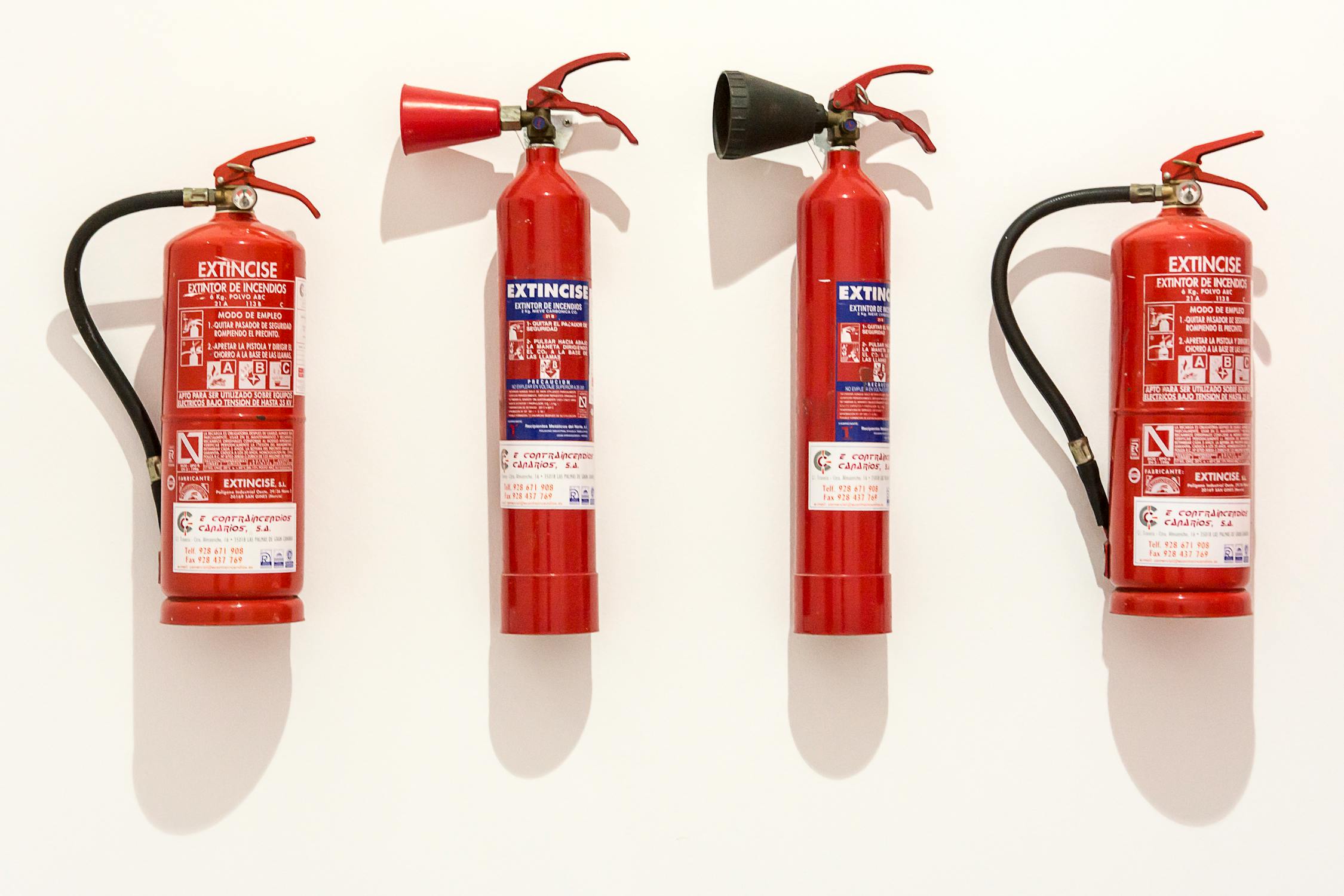
Fire Extinguishers – How To Choose the Right Type
Having the correct fire extinguishers on hand can stop a small fire from getting out of control. However, using the wrong type of extinguisher can be dangerous.
There are several types, including:
- Water extinguishers – for wood, paper, and textiles
- Foam extinguishers – for flammable liquids
- CO2 extinguishers – for electrical fires
- Powder extinguishers – versatile, but not ideal in enclosed spaces
- Wet chemical extinguishers – for cooking oils and fats.
Each workplace or home has different needs, so make sure the extinguishers are suitable for the fire risks in each space. All extinguishers should be checked/serviced annually by a professional.
Clear, Well-practiced Fire Escape Plans
Having a clear, well-communicated and regularly practiced escape plan is one of the simplest yet most effective fire safety measures you can implement.
Everyone in the building should know:
- The nearest exits
- How to raise the alarm
- Where to assemble outside
- Who is responsible for leading or assisting an evacuation.
Exit routes must always be kept clear, unlocked, and free from obstructions. In business settings, illuminated signs and emergency lighting are essential, especially in the case of a power failure.
Electrical Safety: A Commonly Overlooked Risk
Many fires start due to faulty wiring, overloaded circuits, or misused equipment. Have your electrical systems inspected regularly by a certified electrician, and avoid bad habits such as:
- Daisy-chaining extension leads
- Overloading sockets
- Using appliances with damaged cords
PAT (Portable Appliance Testing) is a useful safety check for businesses and landlords, ensuring that all electrical devices are safe to use. You can also do this in residential settings too.
Training and Awareness
For businesses, fire safety training isn’t optional – it’s the law. Staff should know how to operate extinguishers, follow the evacuation plan, and respond calmly in emergencies.
Fire drills should be carried out at least once a year, ideally more often in larger or high-risk premises.
Even in a domestic setting, talking to family members or housemates about what to do in a fire can make a life-saving difference.